
Starting Your Journey in Jiu Jitsu Training: Unlocking Self-Defense Skills Training and More
Embarking on a new fitness or martial arts journey can feel a bit overwhelming at first, right? I remember stepping onto the mat for my very first jiu jitsu class, heart pounding, wondering if I’d keep up or just end up tangled in knots. But here’s the thing: starting jiu jitsu is one of the best decisions I’ve made for my health, confidence, and self-defense skills. If you’re curious about what this path looks like and how to get started, you’re in the right place. Let’s dive in together!
Why Self-Defense Skills Training Matters More Than Ever
In today’s world, knowing how to protect yourself is not just empowering—it’s essential. Self-defense skills training through martial arts like jiu jitsu offers more than just physical techniques. It builds mental toughness, sharpens your reflexes, and boosts your confidence in everyday situations.
What I love about jiu jitsu is that it’s designed for real-life scenarios. Unlike some martial arts that focus on striking, jiu jitsu emphasizes leverage and technique, allowing smaller or less physically strong individuals to defend themselves effectively. This makes it incredibly accessible and practical for anyone, regardless of size or fitness level.
Plus, the community aspect is fantastic. Training alongside others who share your goals creates a supportive environment where you can grow together. You’ll find yourself celebrating small victories, like mastering a new move or surviving a tough sparring session, and that camaraderie keeps you motivated.
Getting Started: What You Need to Know Before Your First Class
Starting something new always comes with questions. What should I wear? How fit do I need to be? Will I get hurt? Let’s clear up some common concerns.
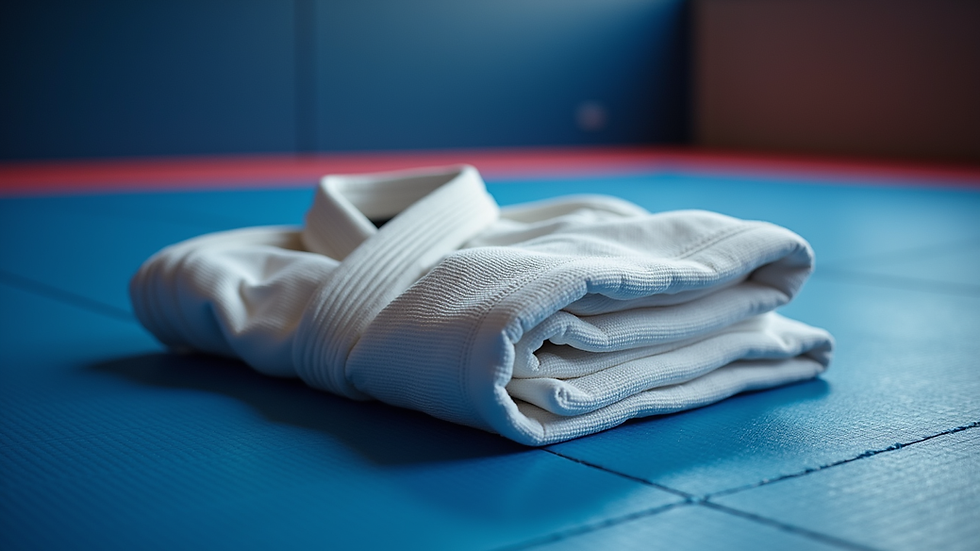
Gear: Most gyms provide rental gis (the traditional uniform), but investing in your own gi can be a great motivator. It’s comfortable, durable, and designed specifically for jiu jitsu movements. If you’re not ready for the gi, many schools offer no-gi classes where you wear athletic shorts and a rash guard.
Fitness Level: Don’t worry if you’re not in peak shape. Jiu jitsu is a journey, and your fitness will improve naturally as you train. The key is consistency, not perfection.
Injuries: Like any sport, there’s a risk of minor injuries, but proper technique and a good instructor minimize this. Listening to your body and communicating with your coach is crucial.
Mindset: Come with an open mind and a willingness to learn. You’ll tap into a new way of thinking about movement, strategy, and problem-solving.
What does jiu-jitsu training consist of?
Understanding what a typical jiu jitsu training session looks like can help ease any nerves and set expectations.
A standard class usually starts with a warm-up to get your body ready—think jogging, shrimping (a specific hip movement), and stretching. Then, the instructor will demonstrate techniques, breaking them down step-by-step. You’ll practice these moves with a partner, drilling them repeatedly to build muscle memory.
After technique practice, it’s time for sparring or “rolling.” This is live practice where you apply what you’ve learned against a resisting opponent. It’s challenging but incredibly rewarding because it tests your skills in real-time.
Classes often end with a cool-down and sometimes a group discussion or Q&A. The environment is supportive, and everyone is there to improve together.

Tips for Making the Most of Your Jiu Jitsu Journey
Starting is just the beginning. To truly benefit from your training, here are some tips I’ve picked up along the way:
Be Patient: Progress in jiu jitsu isn’t always linear. Some days you’ll feel like a champ, others like a beginner again. That’s normal.
Ask Questions: Don’t hesitate to ask your instructor or training partners for help. Everyone was a beginner once.
Stay Consistent: Even if it’s just two classes a week, regular training builds skills and confidence.
Focus on Technique, Not Strength: Jiu jitsu is about leverage and timing, not brute force.
Keep a Training Journal: Jot down what you learned, what worked, and what you want to improve.
Cross-Train: Complement your jiu jitsu with strength training, cardio, or yoga to enhance your overall fitness.
Rest and Recover: Your body needs time to heal and adapt, so don’t skip rest days.
The Benefits Beyond the Mat: How Jiu Jitsu Transforms Your Life
What surprised me most about jiu jitsu was how much it changed me off the mat. The discipline and focus I developed helped me manage stress better and approach challenges with a calm mindset.
Physically, I became stronger, more flexible, and had better endurance. Mentally, I gained confidence and a sense of accomplishment that spilled over into my work and personal life.
And let’s not forget the friendships. The jiu jitsu community is welcoming and diverse, filled with people who support each other’s growth.
If you’re looking for a workout that’s fun, challenging, and meaningful, jiu jitsu might just be your perfect fit.
Ready to Take the First Step?
If you’re ready to start your own journey, remember that every expert was once a beginner. The key is to find a gym with a supportive atmosphere and qualified instructors who care about your progress.
For those in Florence, SC, jiu jitsu training offers a fantastic opportunity to learn self-defense skills, improve fitness, and join a community that feels like family. Don’t hesitate to reach out, ask questions, and schedule a trial class.
Your journey in jiu jitsu is waiting. Step onto the mat and discover what you’re capable of!


Comments